May 29, 2026 • Celeste Morrow • 8 min reading time • Prices verified June 4, 2026
What's Actually in Your Self-Tanner? A Brand-by-Brand Ingredient Transparency Report
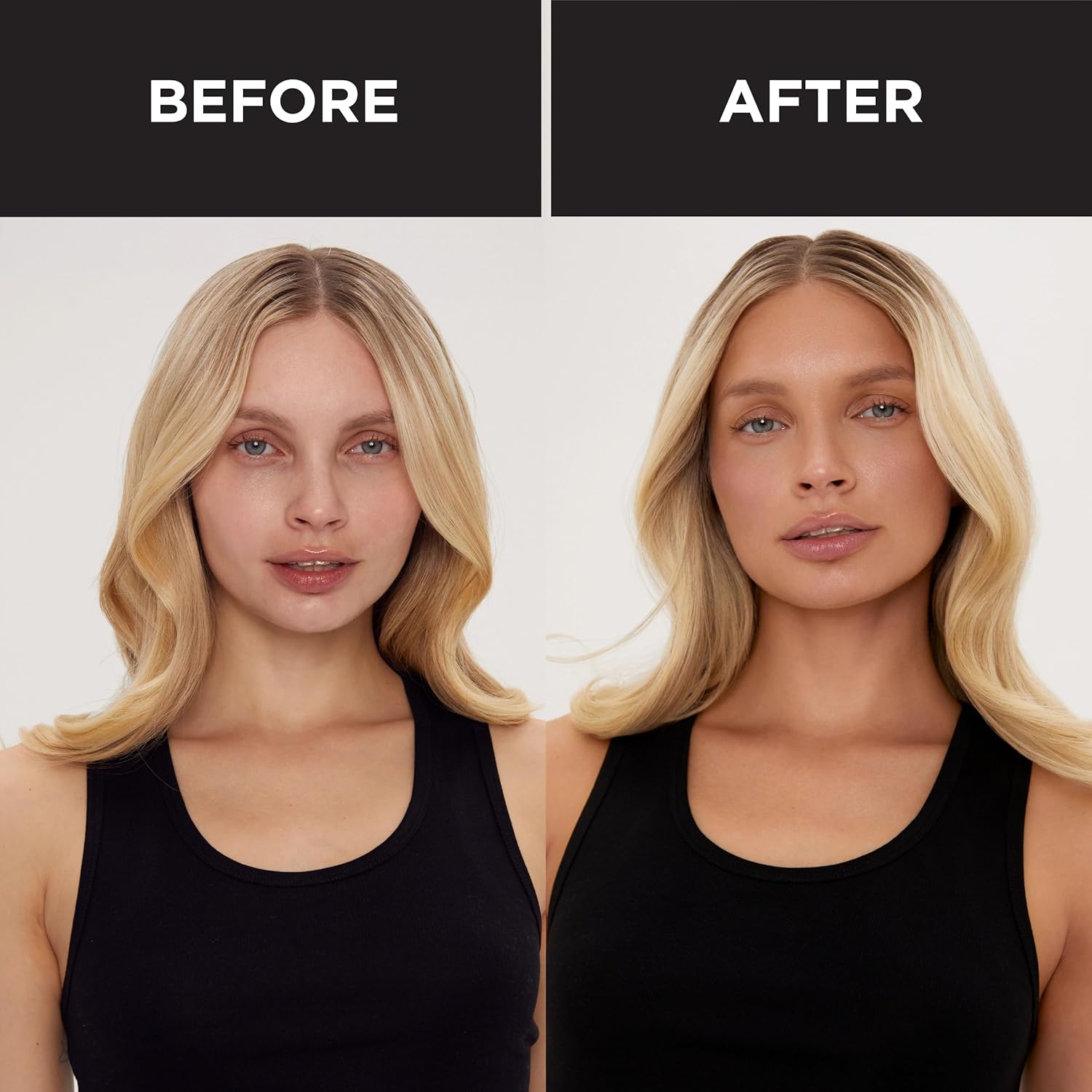
If you’ve ever picked up a self-tanner, flipped it over, and stared at an ingredient list that reads like a chemistry exam — you’re not alone. The one thing almost every self-tanner has in common is DHA (short for dihydroxyacetone), a colorless sugar derived from plant sources like sugar beets or sugar cane. When DHA contacts the amino acids in the outermost layer of your skin, it triggers a browning reaction — the same basic chemistry behind a cut apple going golden. That reaction is what gives you color, and it has nothing to do with sun exposure or UV damage. What varies enormously between products is how much DHA is in the formula, what supporting ingredients surround it, and — critically — how honestly brands communicate any of that on the label. This article breaks down who’s disclosing what, what the numbers actually mean for your tan, and how to read a label like someone who’s done this before.
Why DHA Concentration Is the Number That Actually Moves the Needle
Most brands will tell you a product is “medium,” “dark,” or “ultra-dark.” Very few tell you the DHA percentage. That gap matters more than most marketing copy does.
Healthline’s overview of DHA explains that effective concentrations in consumer formulas typically run from around 3% (gradual, buildable products) up to roughly 15% (professional-depth single-application formulas). The difference isn’t just how dark you go — it’s develop time, longevity, patchiness risk, and how forgiving the formula is if your skin prep was imperfect. A 5% DHA on well-exfoliated skin reads differently than that same 5% on dry, uneven texture. The math isn’t linear, and brands know most consumers aren’t equipped to interrogate it.
Paula’s Choice’s ingredient dictionary notes that DHA is generally considered one of the better-studied cosmetic actives from a safety standpoint — the concern isn’t the ingredient itself but how it’s delivered and what surrounds it. Alcohol-heavy carriers can dry out skin mid-development and produce uneven results; glycerin-rich or oil-based carriers tend to produce smoother color. Neither of those variables appears anywhere on a product’s front label.
By the numbers — DHA concentration range across market tiers:
| Product tier | Approximate DHA range | Typical develop time |
|---|---|---|
| Gradual/daily (~$10–$18) | 2–4% | Cumulative over days |
| Mid-tier mousse/lotion (~$30–$55) | 5–8% | 4–8 hours |
| Premium/pro-adjacent (~$60–$120+) | 8–15% | 1–8 hours (express to overnight) |
These ranges are synthesized from published brand specs, EWG Skin Deep database entries, and derm commentary — not a uniform disclosure standard. That variance is exactly the problem.
Who Discloses, Who Doesn’t, and What That Tells You
Here’s where the transparency picture gets genuinely uneven. Reviewing the full ingredient lists publicly available for the brands in the intermediate-to-premium tier reveals a clear split.
Vita Liberata pHenomenal Mousse (~$65) lists its full INCI ingredient deck on its product pages and is one of the few brands in the premium tier to explicitly flag that it uses erythrulose alongside DHA. Erythrulose is a slower-reacting sugar that develops over 24–48 hours and produces a warmer, more olive-leaning result with less risk of the greenish cast that sometimes appears in the early hours of DHA development. Per Harper’s Bazaar’s self-tanner ingredient guide, erythrulose is considered a premium co-active precisely because it smooths out the patchiness risk and extends wear. Vita Liberata doesn’t disclose the percentage ratio, but the fact that it names erythrulose at all puts it ahead of most of the field. Reviewers at Byrdie consistently rate the finish as natural and low-orange across a range of skin tones, which aligns with what erythrulose is known to do.
Tan-Luxe The Body Illuminating Self-Tan Oil (~$60) takes a different approach: it leads with a sophisticated carrier story (raspberry seed oil, chia seed oil) and does list the full INCI, but it doesn’t break out DHA concentration beyond the standard EU cosmetic labeling requirement. What it does well is signaling through its carrier — reviewers across Allure’s self-tanner roundups note the finish reads luminous rather than flat, which is consistent with oil-based delivery. The tradeoff, also flagged by those reviewers, is that oil-based formulas can be slower to absorb and more likely to transfer before they’re set.
Isle of Paradise Self-Tanning Drops (~$32–$39) publishes a relatively clean ingredient list and has been vocal in marketing about what they don’t use (parabens, sulfates, mineral oil). They use a color-guide system (light/medium/dark) tied to different DHA levels but don’t publish the percentages. The EWG Skin Deep database entry for Isle of Paradise products rates several formulas in the low-hazard range, which reflects the cleaner carrier profile. But “clean” doesn’t automatically mean more effective — it means more consciously formulated around the surrounding ingredients, not necessarily more DHA for your dollar.
St. Tropez Classic Bronzing Mousse (~$40–$45) is arguably the category benchmark and has been for over a decade. It doesn’t publish DHA percentage either, but it benefits from enormous reviewer data. Allure’s editors and Byrdie’s long-run review aggregations consistently describe the finish as reliable across multiple Fitzpatrick types — warm rather than orange, with a develop time in the 4–8 hour window that most reviewers find practical. What St. Tropez does disclose clearly is the presence of erythrulose in several of its formulas, and that detail is worth tracking as you compare across lines.
Jergens Natural Glow (~$10) and Bondi Sands Everyday Gradual (~$18) — the entry-tier options — actually disclose fairly legibly by virtue of their simpler formulas. Lower DHA, fewer actives, less to obscure. The transparency isn’t a statement of values; it’s a function of formula complexity. Graduating to a premium product doesn’t mean graduating to a more honest label.
The Ingredients That Brands Use to Obscure (or Enhance) the Core
Beyond DHA and erythrulose, a few categories of supporting ingredients are worth scanning for — and a few are worth flagging as cover for weaker DHA performance.
Cosmetic bronzers (caramel, carmine, iron oxides): These are immediate-color ingredients that wash off in the shower. They’re legitimately useful for placement — you can see where you’ve applied — but they also inflate the perceived darkness of a fresh application. Some brands use a heavy cosmetic bronzer load to compensate for lower DHA. If a formula looks dramatically dark right out of the bottle but fades significantly after the first wash, that’s often the tell. The EWG Skin Deep database entries distinguish between “DHA-based” and “cosmetic bronzer” in their ingredient tagging, which is a useful quick-scan tool.
Alcohols: Denatured alcohol (alcohol denat.) thins the formula and speeds dry-down time, which is a real benefit for mousses and mists. But alcohol-forward formulas can dehydrate skin mid-development, which is one factor behind the patchiness on drier skin types. Paula’s Choice’s ingredient dictionary notes that at low concentrations alcohol in cosmetics is considered low-risk, but in a self-tanner applied during development, the dehydration mechanism is worth understanding. Look for where alcohol appears in the list — early (higher concentration) versus late (lower, mostly solvent role).
Hyaluronic acid, glycerin, aloe vera: These humectants are showing up in more premium formulas as the self-tan-as-skincare positioning becomes standard. They’re not marketing filler — humectants genuinely help maintain hydration during the development window, which produces more even color. Vita Liberata and Tan-Luxe both include glycerin and aloe-derived ingredients visibly in their decks.
Fragrance / parfum: Still present in most formulas, including some premium ones. The biscuit smell associated with self-tanners comes from DHA reacting with skin proteins — fragrance can mask it during application but doesn’t neutralize the reaction. Brands that claim to have “solved” the smell question have typically reformulated the DHA carrier and the fragrance together. Reviewers at Byrdie and Allure note that Vita Liberata receives consistently positive comments on scent relative to category, but this varies by individual skin chemistry — a pattern worth noting rather than a guarantee.
How to Read a Label Before You Buy: A Decision Framework
Given that most brands won’t hand you a DHA percentage, here’s how to extract what you can from what they do publish.
If the brand lists erythrulose alongside DHA: You’re likely getting a warmer, longer-wearing result with lower patchiness risk. Worth the price premium if finish consistency matters more to you than speed.
If the formula is oil-based (look for plant oils in the first five ingredients): Expect a luminous finish, longer dry-down, and slightly higher transfer risk during development. These formulas tend to perform better on drier skin types.
If alcohol denat. appears in the first three ingredients: Fast-dry mousse or mist is the likely format. Fine on normal-to-oily skin; worth pairing with a separate moisturizing step on dry skin before application.
If cosmetic bronzers (caramel, carmine) appear before any humectant: The immediate-color payoff is real, but manage expectations about what washes through. Layer strategically — don’t judge the DHA result until after the first shower.
If the full INCI isn’t published on the brand’s own site: That’s a transparency flag. The EU Cosmetics Regulation requires full INCI disclosure on product packaging, and most reputable brands extend that to their product pages voluntarily. The absence of a published list doesn’t mean the formula is dangerous — it means you’re flying without data, which is a tradeoff you get to make deliberately.
The intermediate-to-enthusiast tanner knows by now that the right formula isn’t the one with the most impressive marketing. It’s the one whose disclosed ingredients match what your skin actually needs — and whose brand has earned enough reviewer trust to fill the gaps where the label goes quiet.